Hospitality Branding in 2026: What Hotels, Restaurants, and F&B Brands Get Wrong
Branding
MAR 2026
Hospitality is the only category where the brand is the product.
A SaaS company can survive with a mediocre brand if the software is strong. A CPG brand can lean on distribution and shelf placement. But a hotel, a restaurant, a bar, a coffee brand? The experience is the brand. Every surface, every interaction, every sensory detail either reinforces the identity or undermines it.
That's what makes hospitality branding harder than most agencies and most operators realize. And it's why so much of it ends up looking the same: serif logo, muted earth tones, lifestyle photography of someone laughing near a plate of food. Safe. Forgettable. Interchangeable.
This guide is for founders, operators, and marketing leads in hospitality who want to understand what a strong brand actually requires in this category, and where most projects go wrong.
Why hospitality branding is different
In most industries, branding is a layer on top of the product. In hospitality, branding is the product. That distinction changes the entire approach.
The brand is spatial, not just visual
A tech company's brand lives on screens. A hospitality brand lives in three dimensions. It's the signage you see from the street, the texture of the menu in your hand, the lighting when you walk through the door, the uniform on the person who greets you, the scent in the lobby, the sound level in the dining room.
This means the brand system has to work across materials, environments, and scales that most identity projects never touch. A logo that looks sharp on a website might disappear on a dark wood panel. A color palette that feels premium on screen might read completely differently on printed linen or frosted glass.
Consistency is exponentially harder
A software company has one product with one interface. A hospitality brand might have a main restaurant, a rooftop bar, a pool area, room service packaging, a retail line, an events program, and a loyalty app. Each has its own context, its own materials, its own audience mood.
The brand system has to flex across all of these without breaking. That requires a different level of depth in the guidelines: not just "here's our logo and colors," but "here's how the brand adapts its tone when someone is checking in at 11pm vs. browsing the lunch menu at noon."
The audience judges in seconds, not minutes
A hotel guest forms an impression before they reach the front desk. A restaurant guest makes a judgment within the first 15 seconds. The brand has roughly one chance to establish the right feeling, and that feeling is built from dozens of micro-details working together: the door handle, the host's greeting, the music volume, the typeface on the menu.
This is why hospitality branding can't be treated as a logo project. It's an experience design project that happens to start with visual identity.
The six things most hospitality brands get wrong
1. Starting with aesthetics instead of positioning
The most common mistake: jumping to mood boards and Pinterest references before answering the foundational question: What kind of place is this, and for whom?
A boutique hotel targeting creative professionals in their 30s needs a completely different brand than a family-focused resort in the same city. The positioning should dictate the aesthetics, not the other way around. When it's reversed, you end up with a brand that looks good in a presentation but doesn't connect with anyone specific.
2. Borrowing from the same reference pool
Hospitality has a visual monoculture problem. Open ten boutique hotel websites and you'll see the same playbook: editorial serif typeface, dusty sage or terracotta palette, airy photography with shallow depth of field, and a tone of voice that's vaguely poetic but says nothing specific.
This isn't branding. It's trend-following. And trends in hospitality move fast. What reads as "refined" today reads as "dated" in 18 months. A brand built on borrowed aesthetics has no defense against the next wave.
The fix: root the brand in something that can't be copied. The story of the building. The philosophy of the chef. The culture of the neighborhood. The point of view of the founder. Something real and specific that no competitor can replicate by hiring the same designer.
3. Ignoring the physical touchpoints
An identity that only works on screen is half a brand in hospitality. Too many projects stop at the logo, color palette, typography, and website, then hand off a PDF of guidelines and call it done.
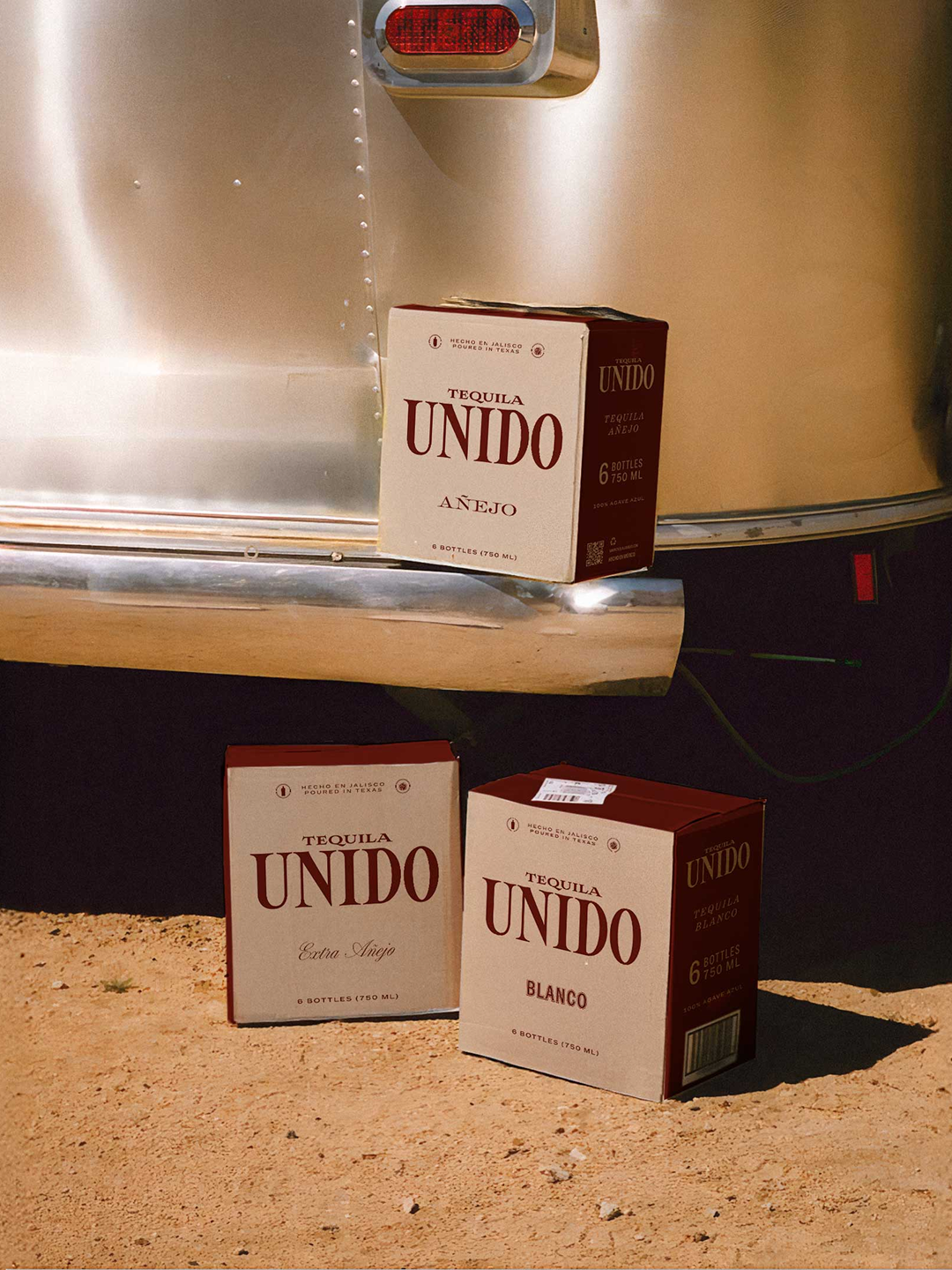
What actually makes or breaks the brand experience: menu design and materials, signage and wayfinding, packaging (takeaway, retail, amenities), staff uniforms and name badges, printed collateral (key cards, receipts, welcome notes), environmental graphics (wall treatments, window decals, floor markings), scent, sound, and lighting direction.
The brand guidelines need to address these. If they don't, each touchpoint gets designed in isolation by a different vendor, and the brand fragments.
4. Building for Instagram instead of the guest
The rise of "Instagrammable" hospitality created a generation of brands designed to photograph well rather than feel right. Neon signs with quotes. Tile floors designed for overhead shots. Spaces optimized for content, not comfort.
The problem: Instagram moments are shared once. The actual guest experience determines whether they come back, whether they recommend the place, and whether the brand builds real equity.
Design for the person in the room, not the person behind the camera. If the brand is genuinely good, it will photograph well naturally.
5. Inconsistency between digital and physical
A guest discovers the brand online, forms an expectation, then walks into the space. If the website promises "refined minimalism" and the space feels cluttered, the brand breaks. If the Instagram shows warm, golden-hour photography and the actual lighting is cold and fluorescent, the brand breaks.
The digital-to-physical handoff is where most hospitality brands lose trust. The solution is simple in theory, hard in practice: the same creative direction should govern the website, the social media, and the physical environment. That usually means one team, or at minimum one creative director, overseeing all of it.
6. No brand system, just a logo
A logo is not a brand. In hospitality, this distinction is more consequential than in any other category.
A brand system includes: a flexible logo that works at different scales and on different materials, a type system with hierarchy (not just one font), a color system that accounts for screen, print, environmental, and lighting conditions, photography and art direction guidelines, a voice and tone framework that adapts across channels, material and finish specifications for physical applications, and rules for how all of these elements interact.
Without a system, every new menu, every seasonal campaign, every new location becomes a design decision from scratch. That's expensive, slow, and inconsistent.
What a hospitality branding engagement should include
If you're commissioning brand work for a hotel, restaurant, bar, or F&B concept, here's what the scope should cover to get a complete, functional result.
Phase 1: Strategy
Audience and market positioning, competitive audit (not just visual, but experiential), brand architecture (especially for multi-outlet properties), naming and verbal identity (voice, tone, key messages), and a creative brief that bridges strategy and design.
This phase takes 3-6 weeks. Skipping it is the single most expensive mistake in hospitality branding. If you already have a brand and aren't sure what needs to change, start with a brand audit before commissioning new work.
Phase 2: Visual identity
Logo and logo system, typography (primary and secondary), color system (screen, print, and environmental specs), graphic elements, patterns, textures, photography direction (style, mood, lighting, subject matter), illustration or iconography (if applicable), and the brand guidelines document.
This phase takes 4-8 weeks. The guidelines should be detailed enough that a third-party vendor (signage company, printer, interior designer) can execute without calling the design team.
Phase 3: Applications
This is where hospitality diverges from every other category. Applications might include: menu design, signage and wayfinding system, packaging (takeaway, retail, amenities), digital presence (website, booking interface, social templates), environmental graphics, uniform direction, print collateral (business cards, key cards, stationery), and branded merchandise if applicable.
This phase varies widely, from 4 weeks for a single-outlet restaurant to 3-6 months for a multi-property hotel brand. For a full breakdown of what each phase typically costs, see our branding pricing guide.
Phase 4: Launch and implementation support
Vendor coordination (signage fabricators, printers, interior teams), brand training for staff, social media launch strategy, and a brand guardian document for ongoing decision-making.
This phase is often overlooked and is the difference between a brand that launches strong and one that erodes within the first six months.
How to evaluate hospitality branding agencies
Not every branding agency can do hospitality well. The skillset is specific. Here's what to look for:
Physical application experience. Ask to see signage, menus, packaging, environmental work. If the portfolio is all websites and logos, they may not understand the material and spatial dimensions of hospitality branding.
Multi-touchpoint thinking. The agency should talk about the guest journey, not just the visual identity. How does the brand feel at discovery? At arrival? During the stay? After departure? If they only talk about the logo, they're missing the point.
Vendor coordination capability. Hospitality brands involve more production partners than any other category: signage fabricators, printers, interior designers, architects, uniform suppliers. The agency should either manage these relationships or produce guidelines detailed enough for others to execute.
Category understanding. They don't need to be a "hospitality-only" agency, but they should understand the operational realities: seasonal menus, multi-outlet properties, staff turnover, the pace of the F&B cycle. This knowledge shapes the brand system's flexibility requirements.
The bottom line
Hospitality branding is harder than most branding. It demands more touchpoints, more sensory consideration, more flexibility, and a deeper understanding of how people actually experience spaces, not just screens.
The brands that win in this category are the ones built on a specific point of view, designed as a system rather than a collection of assets, and executed with the same discipline across a website, a cocktail napkin, and the way a host says good evening.
Start with the positioning. Build the system. Then let the system do the work.
Atla works with hospitality brands across hotels, restaurants, and F&B, from strategy through environmental design. If you're opening a new concept or rethinking an existing property, [here's how to brief us](/blog/how-to-brief-a-branding-agency), or [start a direct conversation](/contact).
Source:
Atla Journal
Author:
José Pablo Domínguez
Other news
Keep reading through related journal pieces, or jump into the broader archive to see how strategy, identity, digital craft, and category-specific thinking connect across the studio's writing.
Branding
Art Direction vs Graphic Design: Why the Distinction Matters for Your Brand
Your brand doesn't just need good design. It needs a point of view that guides every visual decision. That's art direction, and most brands don't have it.
Mar 2026
Branding
What Is a Branding Agency? (And How It's Different From a Design Studio, Marketing Agency, or Freelancer)
Not every company that makes logos is a branding agency. Here's what the term actually means, the different types, and how to know which one fits your situation.
Mar 2026
Branding
What Does a Branding Agency Actually Do?
Branding agencies do a lot more than design logos. Here's what the work actually looks like, what you get at the end, and how it connects to business outcomes.
Mar 2026